Trade competitiveness does not begin at the border. It begins much earlier-in our businesses, banks, classrooms, factories, farms, and policy institutions.
As Bangladesh approaches LDC graduation, the next phase of trade will require more than maintaining export volumes. We need greater diversification, higher productivity, technological upgrading, stronger environmental and social compliance, and deeper integration into global value chains.
Competitive for whom?
A trade strategy that increases exports while leaving women concentrated in low-paid work, small informal enterprises and the least valuable parts of supply chains is not using Bangladesh’s full economic potential.
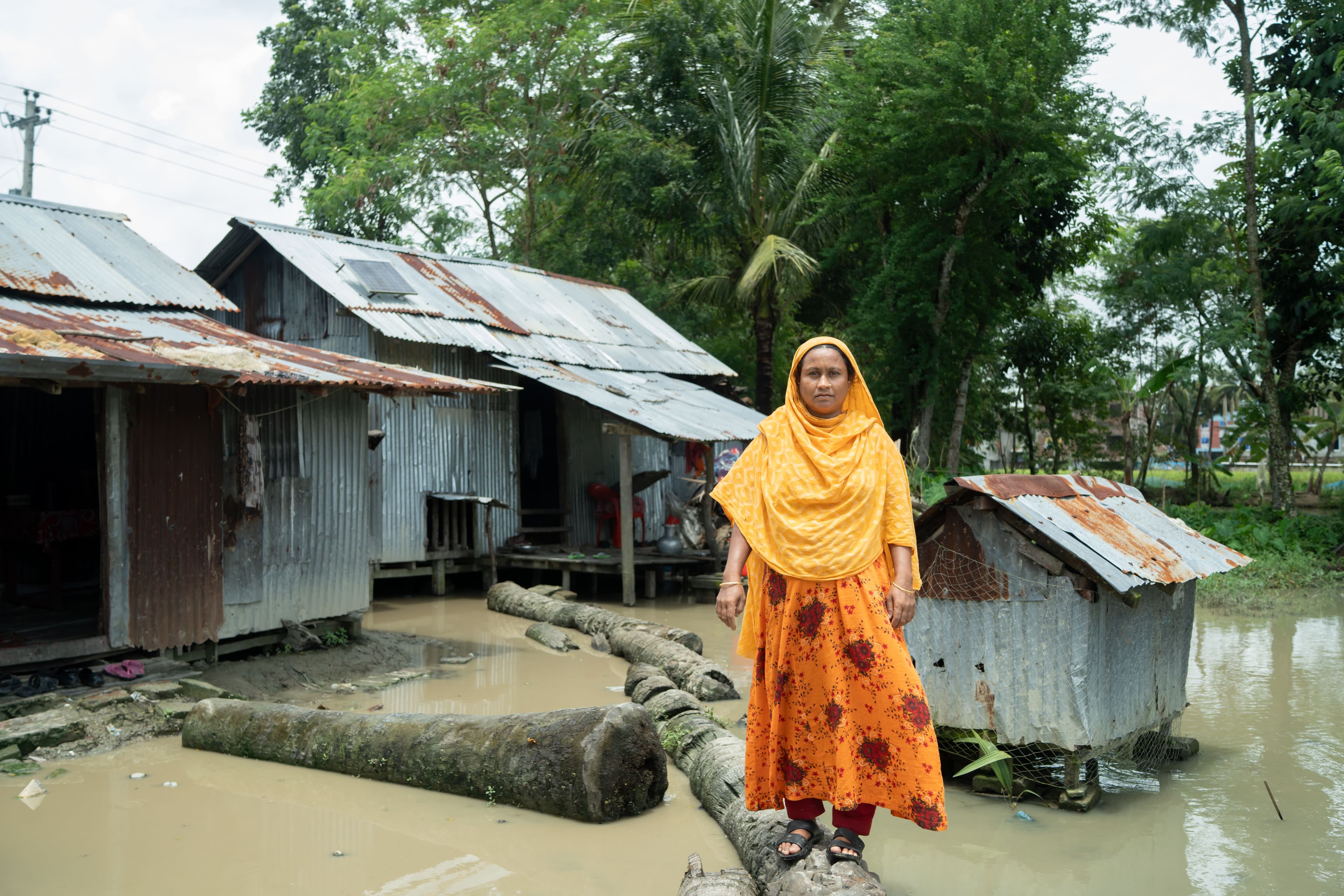
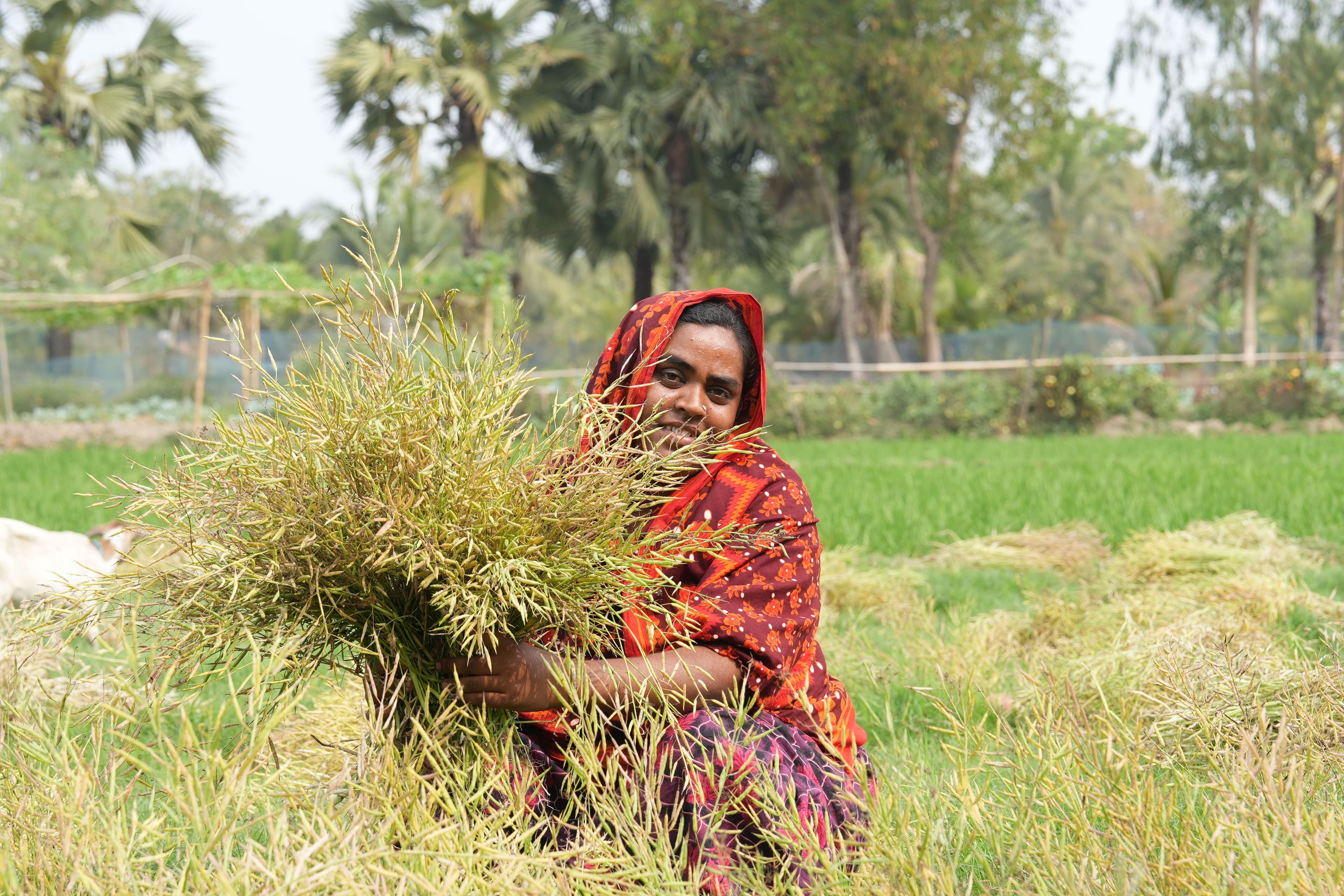
Women are already workers, producers, entrepreneurs, exporters, and traders. Yet participation is different from economic power. We need to ask: Who captures value? Who moves up the value chain? Who gets access to finance and technology? And who shapes the rules of trade?
Competitiveness is built across the economy. An exporter becomes competitive long before a product reaches a port. Competitiveness depends on affordable finance, reliable infrastructure and energy, skills, technology, standards, certification, market intelligence, and efficient regulation.
Recent experience demonstrates what targeted support can achieve. The World Bank-supported Export Competitiveness for Jobs project helped firms improve environmental, social, and quality compliance and diversify into new markets, generating substantial employment and private investment.
Trade policy cannot be separated from industrial policy, finance, skills, technology, and standards. Nor can competitiveness be separated from inclusion.
Women are not a side issue therefore how do we bring more women into trade?
Women are already in trade. How do we enable them to move from participation to ownership, from low-value production to higher-value activities, and from workers and suppliers to decision-makers?
We have evidence that this is possible. Tarango, founded by Yeasmin Kohinoor, which began as a small handbag enterprise grew into a business employing 180 women and producing fair-trade, eco-friendly products. Access to international buyers and business networks opened new opportunities, including a potential order of 5,000 pieces at an international trade fair.
The lesson is not simply that one Bangladeshi woman succeeded instead that women can compete internationally when the ecosystem around them works.
Bangladesh already has elements of that ecosystem, including the Ministry of Commerce’s Women Entrepreneurs Networking Platform, which connects women entrepreneurs with buyers, suppliers, information, and services.
The challenge is to connect, scale and institutionalise what works.
Two reforms for a stronger trade architecture
I would propose two complementary initiatives.
First, establish a Women and Trade Advisory Council under the Ministry of Commerce.
It should bring together women exporters and entrepreneurs, workers, chambers and business associations, Bangladesh Bank, researchers, and civil society.
Its role should be substantive: advising on trade negotiations, export strategy, market access, standards, and emerging trade risks, while ensuring that the impact of major trade decisions on women is assessed before policies are adopted.
Women should not simply be consulted about trade. They should help shape trade policy.
Second, establish a Women and Trade Compact for Bangladesh. The Compact would bring together:
Government + Bangladesh Bank + financial institutions + private sector + women entrepreneurs + workers + civil society.
Its purpose would be to turn ambition into measurable action—expanding export finance and credit guarantees for women-led businesses; supporting technology and green upgrading; helping women meet international certification and compliance requirements; connecting women-owned firms to global buyers; and creating pathways into higher-value sectors, management, and ownership.
A Women and Trade Scorecard could track progress: how many women-owned businesses export, access finance, adopt technology, enter higher-value sectors, and capture more value.
Inclusion is competitiveness is not about treating women as a special category to be helped into the economy. It is about recognising an economic reality:
If half the population faces structural barriers to finance, technology, markets, assets and decision-making, Bangladesh is not using its full productive capacity. This matters even more as trade becomes increasingly shaped by environmental standards, carbon requirements, technology, and automation.
The green transition can create opportunities for Bangladesh to move into higher-value production. But without access to green finance, technology, skills and certification, smaller women-led businesses could find themselves excluded from emerging markets.
Unpaid care also belongs in this conversation. Time is an economic resource. Without time, mobility and care support, market access alone cannot produce equal opportunity.
Bangladesh’s trade strategy should therefore measure more than export growth.
We should ask: Are we diversifying? Are we moving up the value chain? Are we capturing more value? Are women moving with us? And are they helping shape where we go next?
Competitive and inclusive trade are not competing agendas. Inclusion is part of competitiveness.
The Women and Trade Advisory Council can give women a voice in shaping policy.
The Women and Trade Compact can bring the key actors together to deliver it.
The Scorecard can hold us accountable.
The ambition should be to move from: women as workers → women as entrepreneurs → women as exporters → women as economic decision-makers.
Bangladesh’s competitive future will not be determined by exports alone. It will be determined by who has the opportunity, capability, and power to create value—and who gets to shape the economy we are building.
That is how Bangladesh can make trade growth not only more competitive, but genuinely inclusive.
Author:
Farah Kabir, Country Director, ActionAid Bangladesh