Projects
Building resilience. Advancing climate justice. Empowering communities to lead climate action.
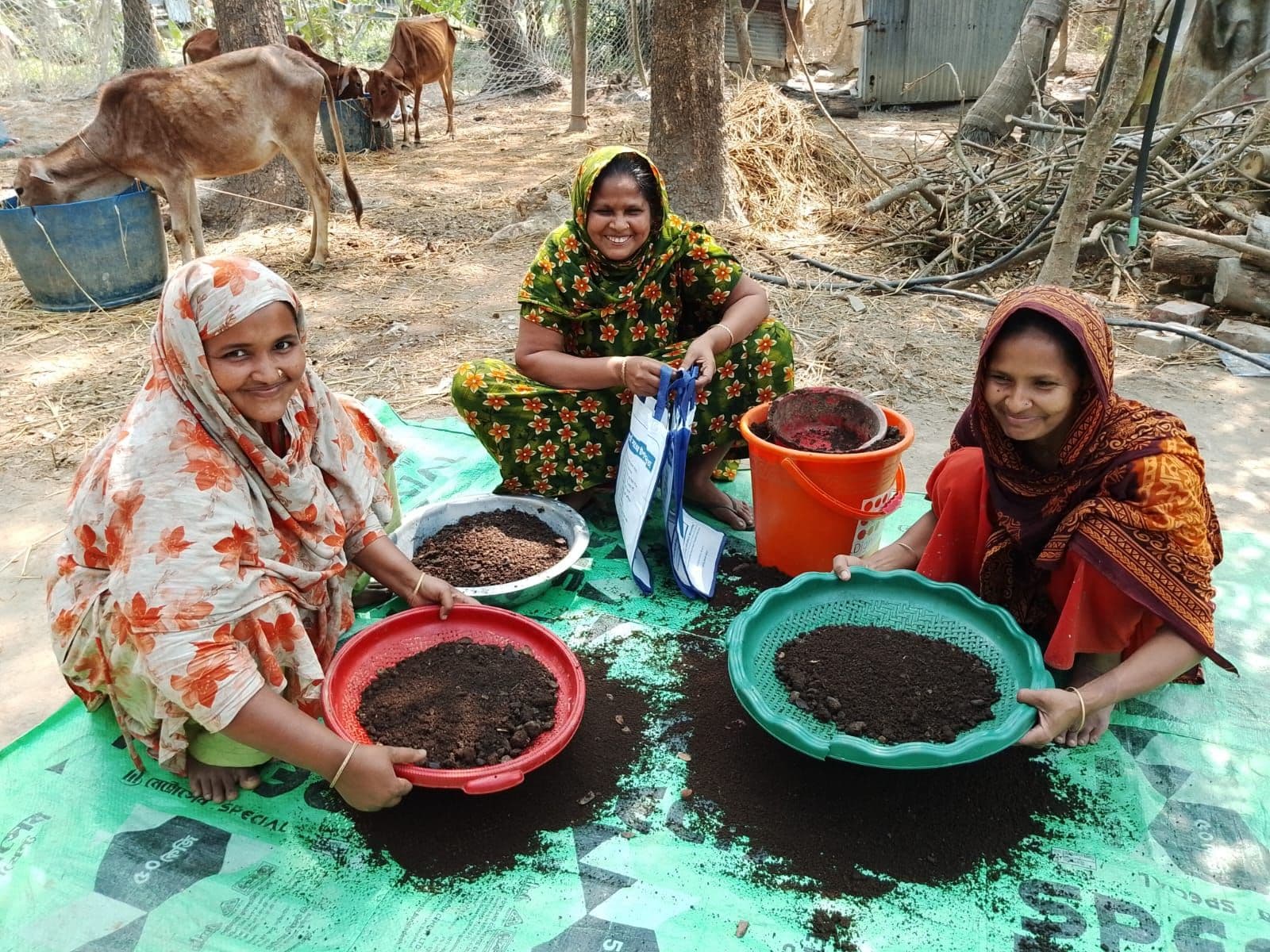
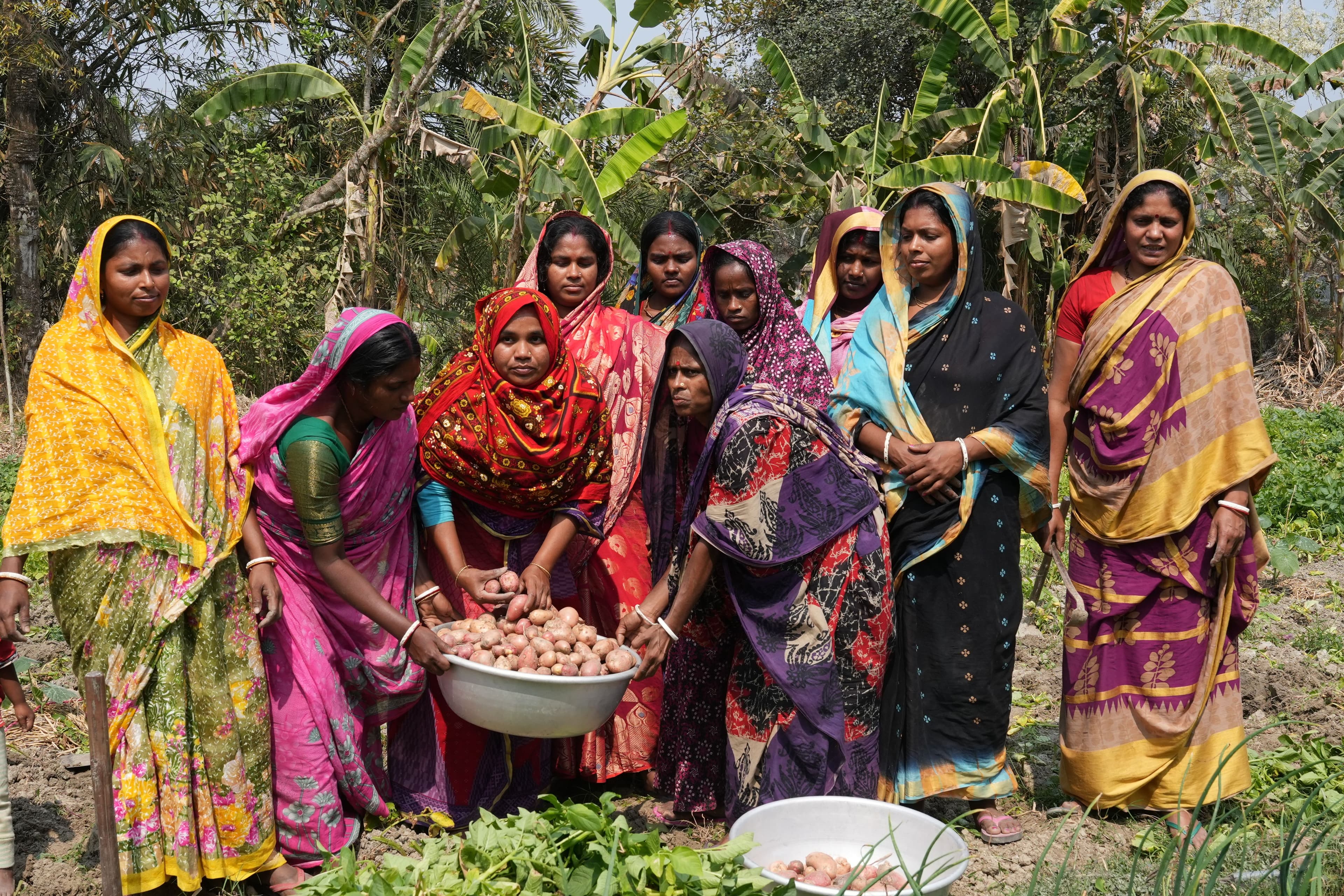
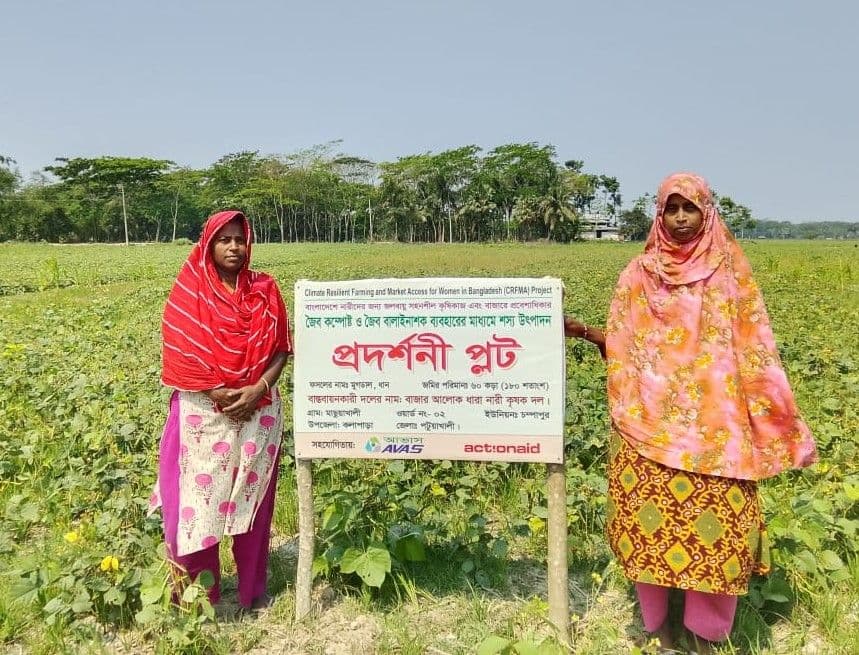
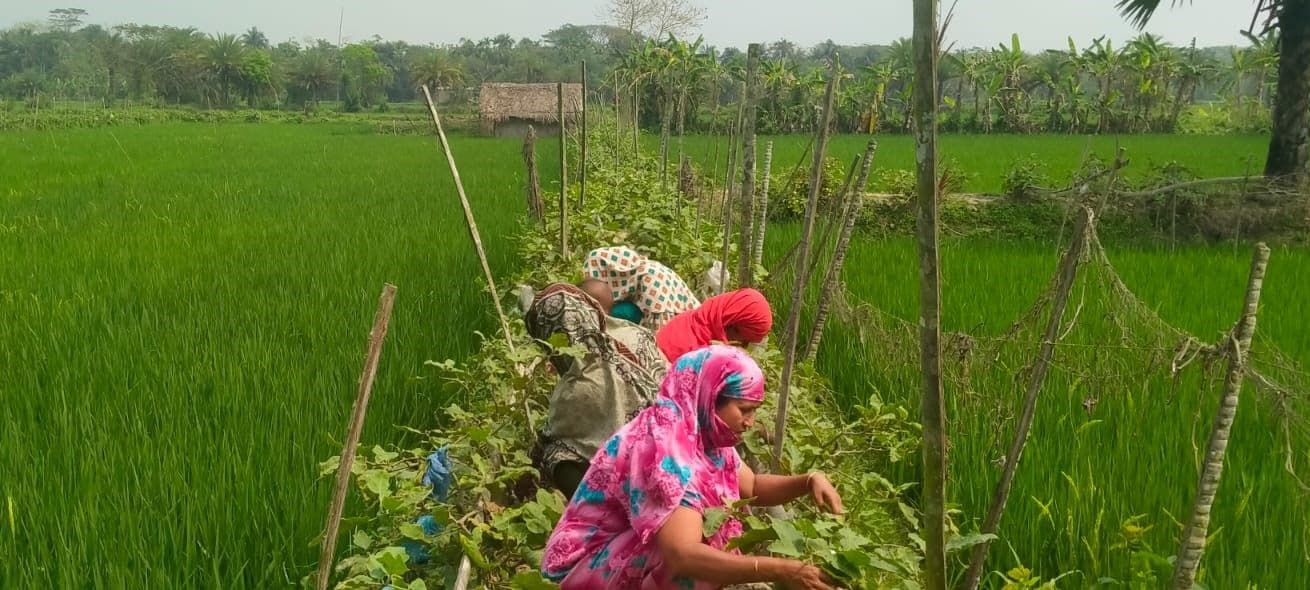
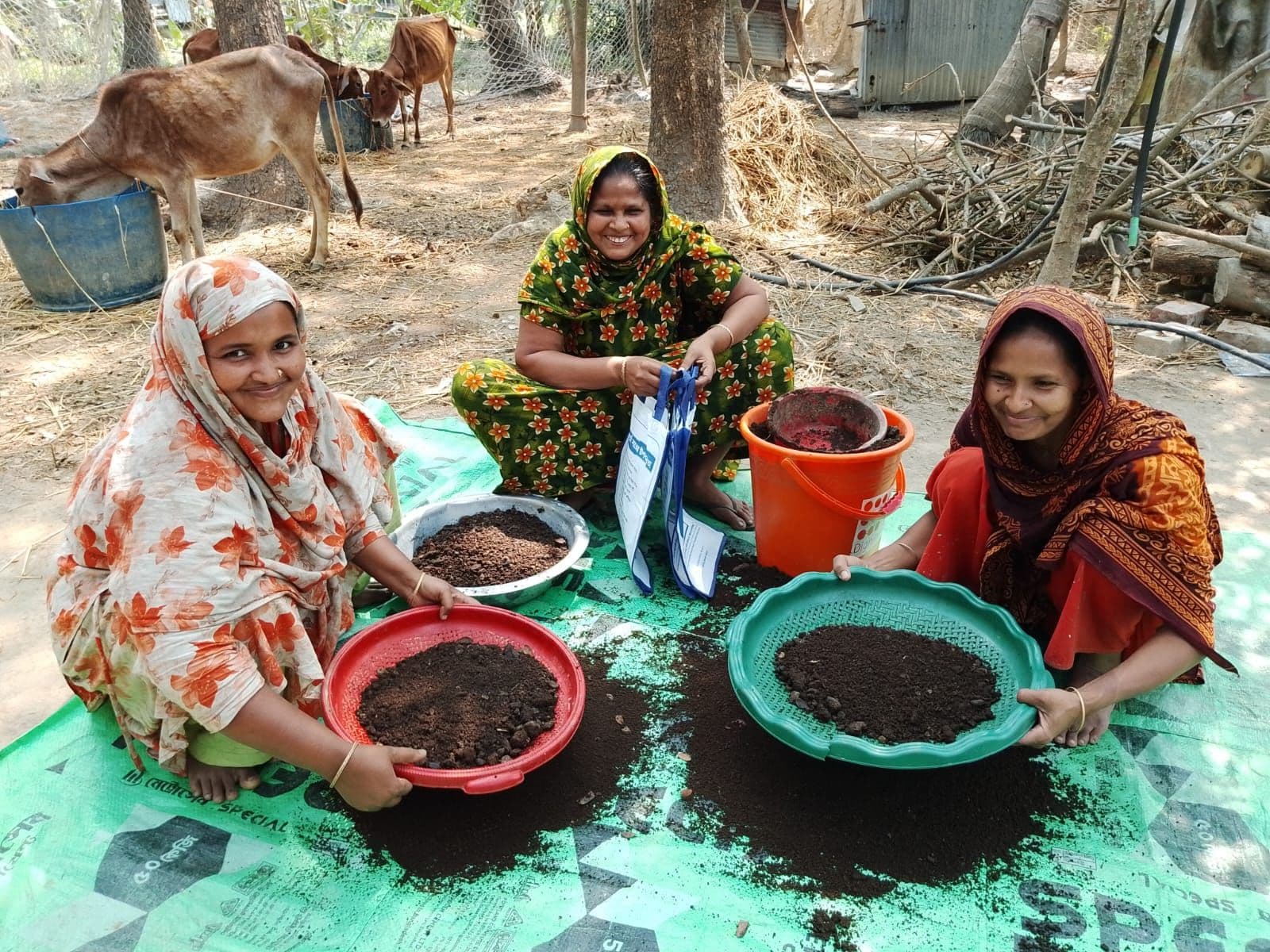
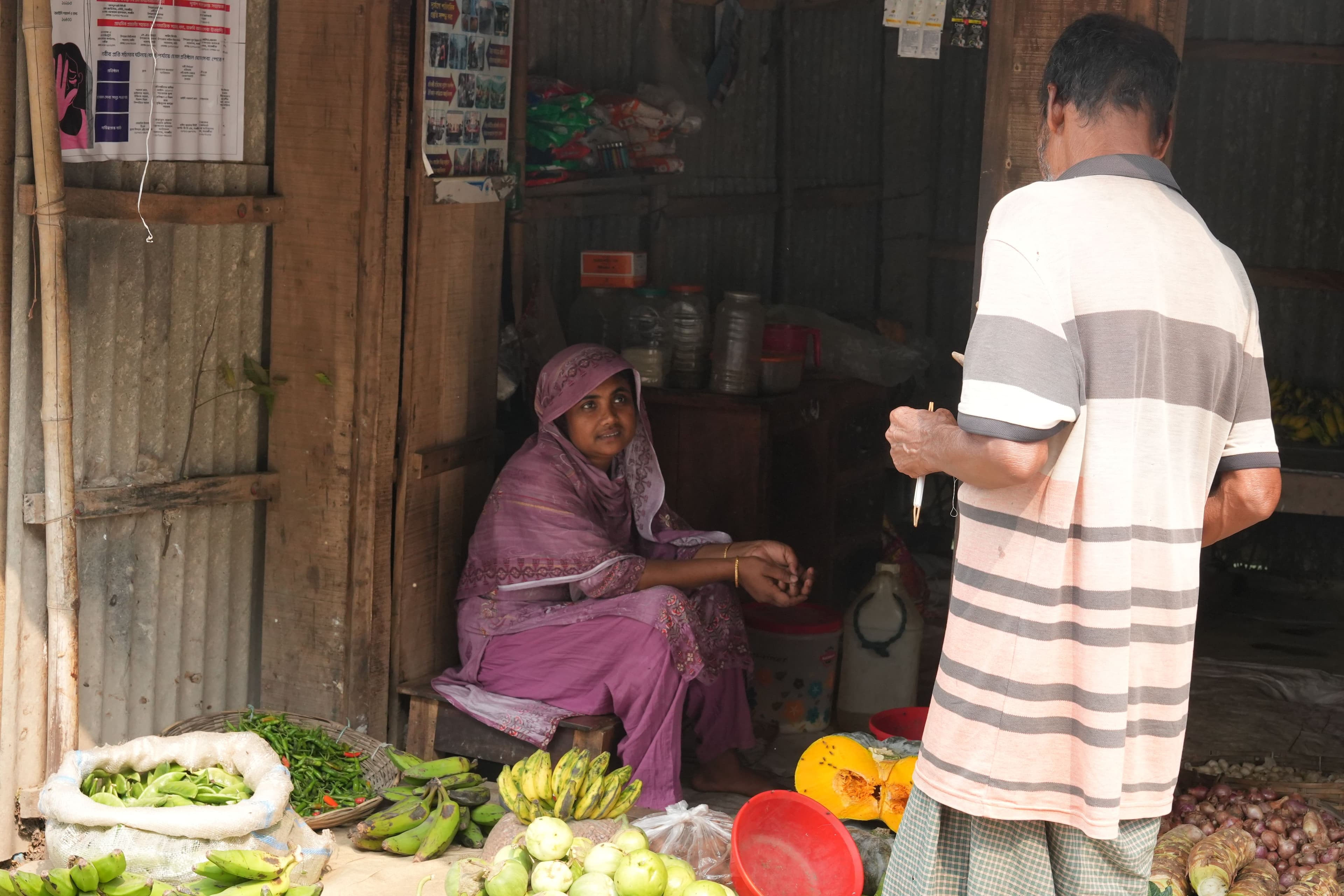
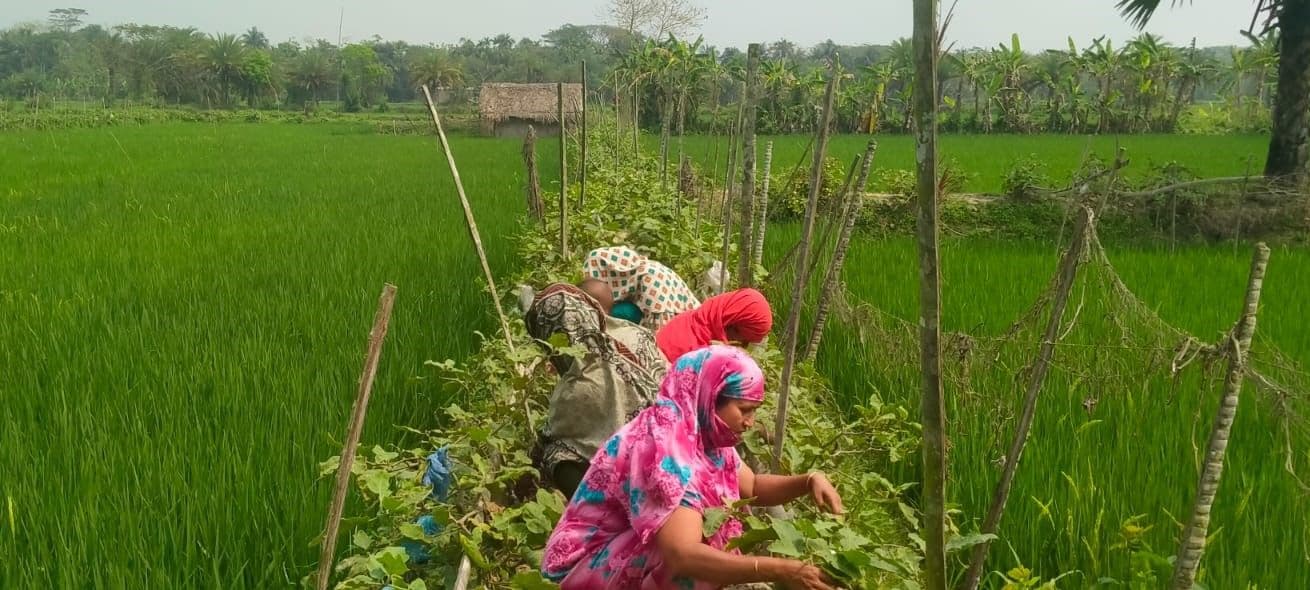
The Resilience and Climate Justice Programme responds to the growing climate crisis that disproportionately affects vulnerable communities. Grounded in a rights-based and locally led approach, it focuses on strengthening community resilience through climate-adaptive livelihoods, sustainable natural resource management, and disaster risk reduction.
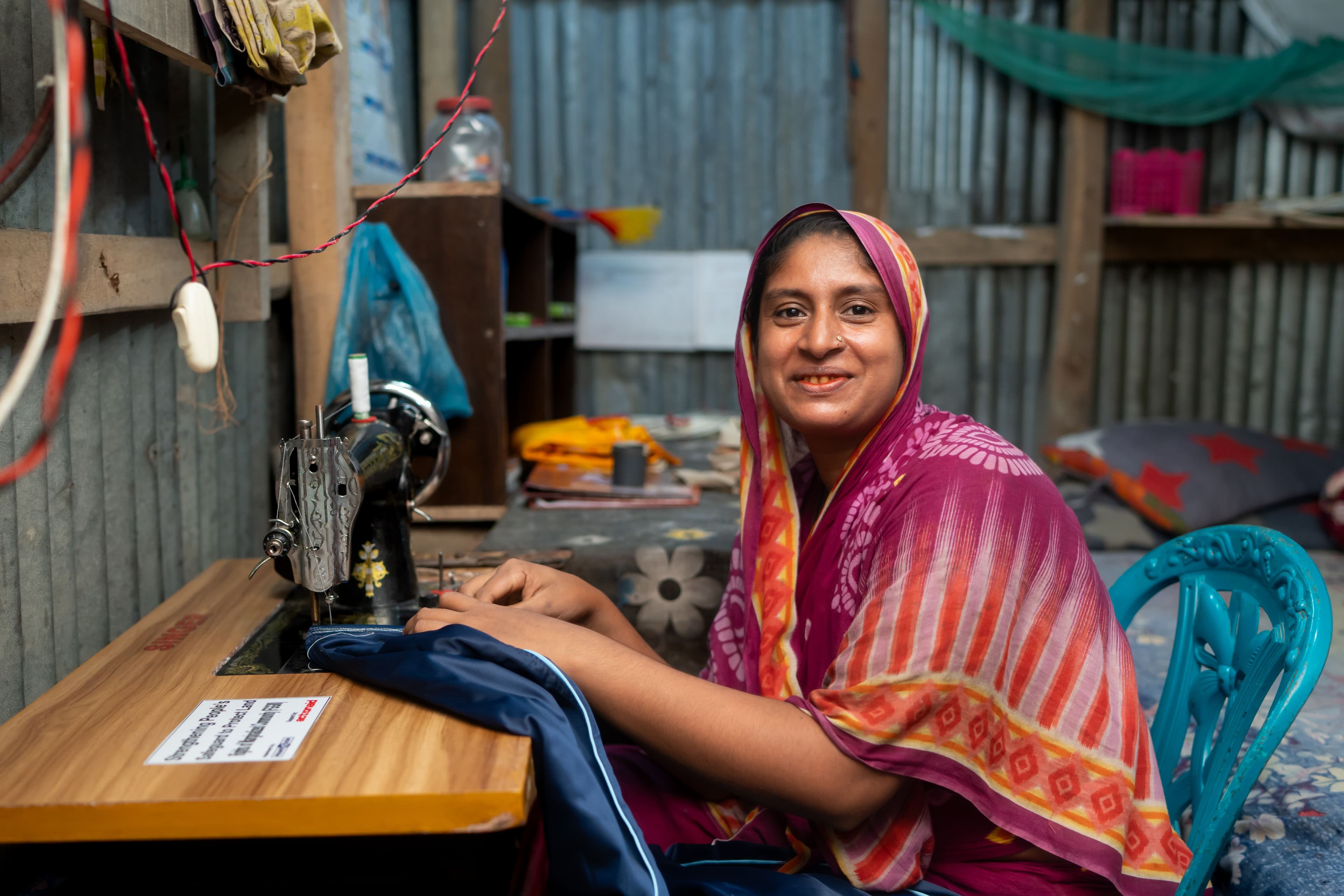
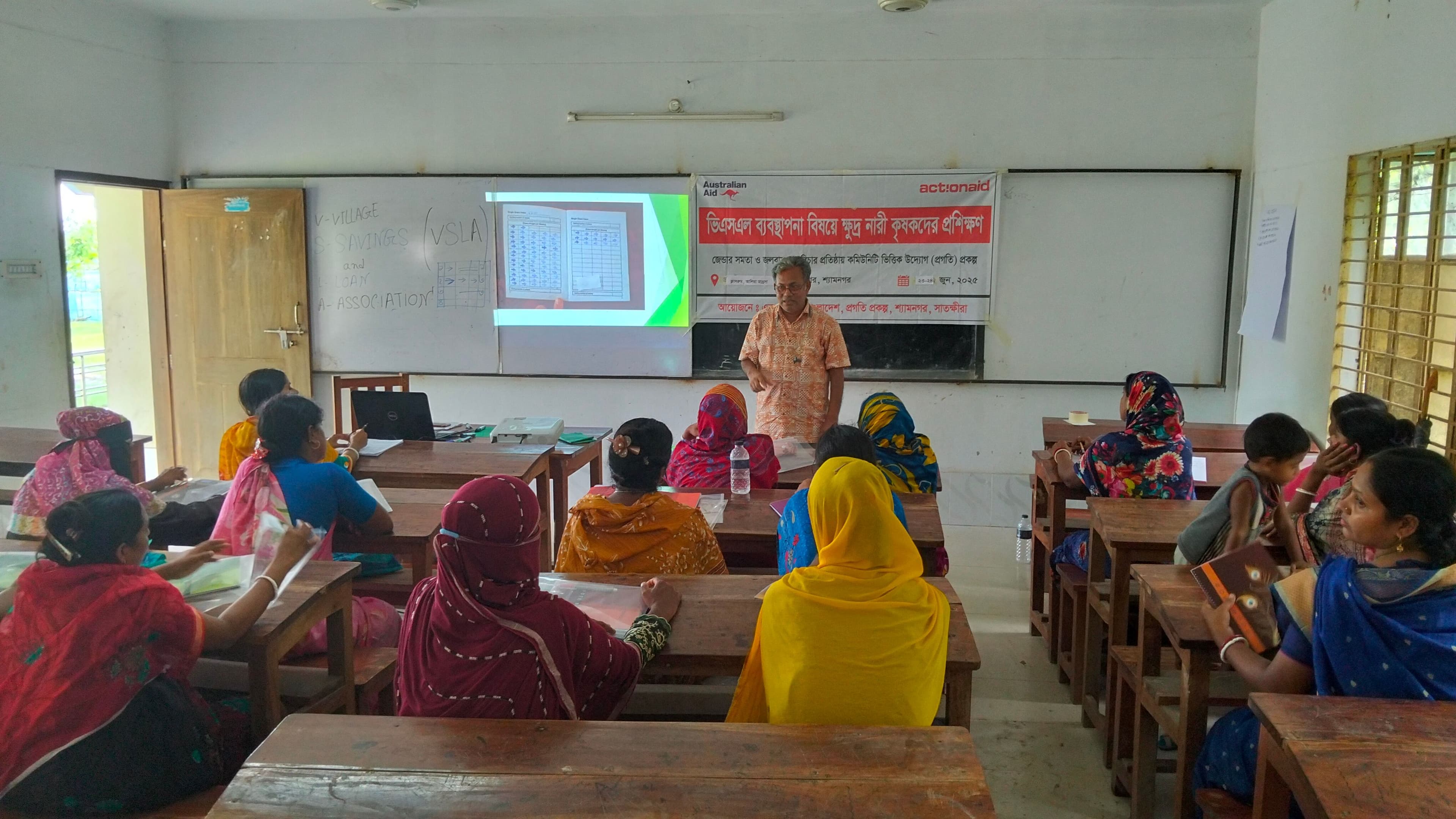
At its core, the programme positions communities – particularly women, young people, and marginalised groups – not as beneficiaries, but as leaders of change. It promotes their agency in decision-making processes while strengthening grassroots movements that can drive sustained climate justice outcomes.
The programme helps communities, especially women, young people, and marginalised groups, take charge instead of just receiving help. It focuses on supporting local efforts in areas that are affected by climate change. These efforts demonstrate scalable, locally grounded solutions that are responsive to real needs and risks.
Complementing this, the programme actively connects grassroots realities with national and global policy processes. It advocates for equitable access to climate finance, including loss and damage, while advancing just energy transition and accountable governance. By linking evidence from the ground with policy engagement, the programme contributes to shaping inclusive and justice-orientated climate action.
No posts found.
A just energy transition is crucial to combat the effects of climate change, especially since the power sector contributes 40% of global carbon emissions. The International Energy Agency reported that renewable energy investment reached $771 billion in 2024 but disparities in funding, technology, and capacity-building hindered progress, especially in developing nations. Bangladesh faces energy challenges and relies on fossil fuels for over 97% of its power [BPDB 2023-24], spending $12 billion annually on imports. The demand is projected to reach 27,345 MW by 2041 [CPD 2024], yet the country has vast renewable potential—156GW solar, 150GW wind. Progress is slow due to limited investment, research, and awareness, highlighting the need for a national renewable energy policy. The Renewable Energy Fest 2025 aims to bridge these gaps by encouraging policy dialogue, youth engagement, and exhibiting innovations to drive a just energy transition.This three-day event will bring together policymakers, the private sector, development partners, investors, technical experts, youth and civil society to explore pathways for a just energy transition. Objectives • Policy Advocacy – Promote just, inclusive, and sustainable energy transition policies. • Innovation & Technology Fair – Exhibit advancements in renewable energy. • Community Engagement – Involve youth, women and CSOs in the energy transition. • Collaboration – Strengthen partnerships to accelerate renewable energy adoption. By uniting diverse stakeholders Renewable Energy Fest 2025 aims to drive policy reform, foster innovation, and build a fair, sustainable energy future for Bangladesh. Timeline of the Event: April 22-24, 2025 Event Structure and Modalities Day 01: Tuesday, April 22, 2025 Opening Rally on Energy Finance: The fest will commence with an opening rally titled “FixTheFinance” / “FundOurFuture,” featuring speeches from stakeholders and performances focused on renewable energy finance. The rally will emphasize youth and women’s participation. Press Brief: A press brief to reflect on the Renewable Energy Fest 2025 among media and journalists Day 02 & 03: Wednesday-Thursday, April 23-24, 2025 Inauguration Plenary Session: Distinguished guests and stakeholders will engage in the formal opening, sharing insights on Bangladesh’s energy landscape and sustainable solutions. Dialogue Sessions Six dialogue sessions will run parallelly, each covering key themes. Sessions Session 01: Social, Environmental, and Sustainability Concerns of Renewable Energy The dialogue session on ‘Social, Environmental, and Sustainability Concerns of Renewable Energy’ will delve into the challenges and opportunities of transitioning to cleaner energy sources. Discussions will highlight the environmental footprint of renewable energy technologies, including land use conflicts, resource extraction for solar panels and batteries, and the ecological impacts of wind and hydropower. Experts will address the social dimensions, such as community displacement, equitable energy access, and workforce transitions in the renewable sector. The session will also focus on sustainability strategies, including lifecycle management, circular economy approaches, and policy frameworks to ensure just, responsible, and long-term adoption of renewable energy in Bangladesh. Session 02: Energy Policy and Governance The dialogue session ‘Energy Policy and Governance in Bangladesh’ will explore key strategies for a sustainable and sovereign energy future. Discussions will focus on the National Energy Transition Policy as a guiding framework, the integration of energy policies with national plans, and the role of cross-border collaboration in optimizing resources. Experts will address dynamic energy planning for both short- and long-term goals, along with regulatory processes to ensure transparency and efficiency. The session will also examine the socio-environmental impacts of energy-related land use and fossil fuel reliance, emphasizing the need for advanced transmission systems and equitable grid access to drive an inclusive and resilient energy landscape in Bangladesh. Session 03: Renewable Energy Financing and investment The dialogue session ‘Renewable Energy Financing and Investment’ will delve into key financial and policy mechanisms to accelerate the renewable energy transition. Discussions will cover investment strategies, financing models, and cost competitiveness to enhance economic viability. Experts will explore subsidy reforms, tax and tariff adjustments, and their role in fostering a more sustainable energy market. Additionally, the session will highlight the importance of global cooperation and trade policies in scaling renewable energy adoption. By addressing these critical factors, the session aims to provide insights into creating a more attractive and sustainable investment landscape for renewable energy development. Session 04: Infrastructure, Innovation and Technology of RE The dialogue session ‘Infrastructure, Innovation, and Technology of Renewable Energy’ will explore cutting-edge advancements and strategic developments in the renewable energy sector. Key discussions will focus on grid integration, energy storage solutions, and decentralized energy models, including community-based approaches. Experts will highlight the role of research, development, and manufacturing in diversifying renewable energy technologies. The session will also address innovation funding, technology transfer, and capacity building as essential drivers for accelerating the energy transition. This session aims to shape a resilient, efficient, and sustainable renewable energy infrastructure by fostering investment in emerging technologies. Session 05: Women in Renewable Energy The dialogue session ‘Women in Renewable Energy’ will focus on empowering women in the renewable energy sector through knowledge exchange, policy analysis, and skill development. Participants will engage in idea-sharing and learning opportunities to foster innovation and inclusivity. The session will also examine existing policies, identifying gaps and opportunities to enhance gender representation in the industry. Additionally, discussions will highlight the importance of capacity building and mentorship in advancing women's leadership and career growth in renewable energy. This session aims to drive a more diverse and inclusive energy transition . Session 06: Youth for Energy and Climate Justice The dialogue session ‘Youth for Energy and Climate Justice’ will serve as an interactive platform for young leaders to drive innovation, policy advocacy, and sustainable energy solutions. Discussions will highlight youth-led initiatives, capacity building, and commitments toward a greener future. The session will bridge global commitments with local actions, empowering young changemakers to influence policy and drive impact. Session on Policy Recommendation The ‘Policy Recommendation’ session will bring together experts from all dialogue sessions to summarize key discussions and insights. This platform will facilitate direct engagement with policymakers, ensuring that critical recommendations on renewable energy financing, governance, innovation, and inclusivity are translated into actionable commitments. The session aims to drive meaningful reforms and strategic advancements in the renewable energy sector by bridging stakeholder perspectives with policy frameworks.
Read More
Theme: Reimagining Water Governance for Just and Sustainable Futures The 11th International Water Conference took place virtually on January 21 and 22, 2026. This annual event, organised by ActionAid Bangladesh since 2016, served as a vital platform for connecting local realities with global ideas. It reaffirmed that water is not a mere commodity but a fundamental human right. By bringing together a diverse blend of researchers, academics, and international experts, the conference aimed to transition from cultural reflection to action-orientated policy and governance. The proceedings addressed the deepening vulnerabilities of communities dependent on water resources amidst intensifying climate change. Ultimately, the gathering highlighted the core question of justice in ensuring a resilient and shared water future. Under 4 thematic sessions consisting of 15 presentations and discussions by 10 eminent discussants across the world, the gathering moved from concern to commitment by combining community knowledge with science to ensure resilient and sustainable water futures. Day 1: 21 January 2026, Wednesday ⚖️Thematic Session 1: Water Justice and Governance 🚰Thematic Session 2: Urban Water Systems and Water Futures On the first day of the 11th International Water Conference 2026, Dr. Imtiaz Ahmed unpacked this year’s theme, introducing four Ps (Pollution, Power, Politics and Profit) and how they overlapped with water management and water governance. The many tangled dimensions of water were laid out through his reflections, which were further enriched by insights from our Country Director Farah Kabir, Dr. Nguyen Hong Quan (Quan), Dr. Champa M. Navaratne, Sakib Mahmud, Md. Abul Kalam Azad, Tamazer Ahmed, Muntaha Kadir, Khandaker Ruhama Amin, Dr. Emma Porio, and Anika N Haque. Watch the discussion here: Day 2: 22 January 2026, Thursday 🌍 Thematic Session 3: Climate Crisis and Innovation for Water Justice 🌐 Thematic Session 4: Transboundary Water Accountability and Regional Cooperation Beginning with the welcome speech by our Country Director Farah Kabir, Day 2 primarily covered presentations on Innovations for Water Justice, Marine Water Sustainability, Community Driven Water Cleanup, and Sustainable Engagement. The later session featured topics such as Transboundary River Management between Bangladesh and India, and Riverbank Erosion Dynamics in the Teesta Basin. Moderated by Dr. Imtiaz Ahmed, Executive Director, Centre for Alternatives, and Dr. Haseeb Md. Irfanullah, Visiting Research Fellow, Center for Sustainable Development, University of Liberal Arts Bangladesh (ULAB), the sessions were enriched by the presence of Dr. Mansee Bal Bhargava, Erad Kawsar, Afia Adiba Hafsa, Mir Munes Ifty, Fayyaz Baqir, Dipak Gyawali, Muhibul Hasan Arnob, Emran Hossain, Dr. Jayanta Basu, Mohammad Abu Sayed, Dr. Zhang Jin, Remy Kinna, Dr. John Dore and Dr. Imtiaz Ahmed. Watch the discussion here: After the insightful sessions, we came to stand together in one understanding. By integrating policy dialogue, cultural reflection and innovative learning, the conference aimed to inspire a paradigm shift: from managing water as a commodity to governing it as a shared right and collective responsibility.The conference concluded with the promise to sit again next year. Till then, our advocacy to establish the reimagined water governance may bring visible success and tangible outcomes on the ground and beyond the seas.
Read More
The 11th International Water Conference will begin on Wednesday, 21 January, focusing on just, inclusive and accountable water governance. Organised by ActionAid Bangladesh, the two-day conference will be held virtually and is expected to bring together more than 500 participants, including river experts, researchers, policymakers, water rights activists and climate advocates from over 20 countries. The theme of this year's conference is "Reimagining Water Governance for Just and Sustainable Futures". Since 2016, ActionAid Bangladesh has worked on water rights, gender justice and climate resilience at both national and international levels. This year's conference holds added significance as Bangladesh became the first South Asian country to accede to the United Nations Water Convention in 2025. Against this backdrop, the conference aims to reposition water governance beyond resource management, highlighting justice, identity and collective responsibility. Discussions will focus on transparency, accountability and community participation in water governance, alongside the role of research, innovation and cultural institutions such as water museums in advancing public understanding of water justice. A policy brief will be developed following the conference to inform future regional and international policy processes. The opening day will feature reflections on Bangladesh's leadership under the UN Water Convention and a cultural segment titled "Water Speaks for Water Justice," moderated by Farah Kabir, Country Director of ActionAid Bangladesh. The segment will include artistic performances, community storytelling and presentations coordinated through the Global Network of Water Museums, including showcases from Morocco's first Oasis Ecomuseum and Bangladesh's Chakaria Water Museum. Technical sessions on Water Justice and Governance and Urban Water Systems and Water Futures will follow. On the second day, discussions will centre on Climate Crisis and Innovation for Water Justice and Transboundary Water Accountability and Regional Cooperation. International experts scheduled to speak include Mansee Bal Bhargava, National President of the Water Resources Council at the Women's Indian Chamber of Commerce and Industry; Fayyaz Baqir, Director of the Akhter Hameed Khan Resource Centre; Remy Kinna; and John Dore, Lead Specialist on Water, Energy and Climate at the Australian Department of Foreign Affairs and Trade. Academics and practitioners from the Philippines, Vietnam, China and Australia will also participate. The conference will conclude with the presentation of the Dhaka Statement on Accountable Water Governance, calling for stronger transparency, responsibility and community engagement in the water sector. The event will be streamed live via Zoom and through the official social media platforms of ActionAid Bangladesh. Source:
Read More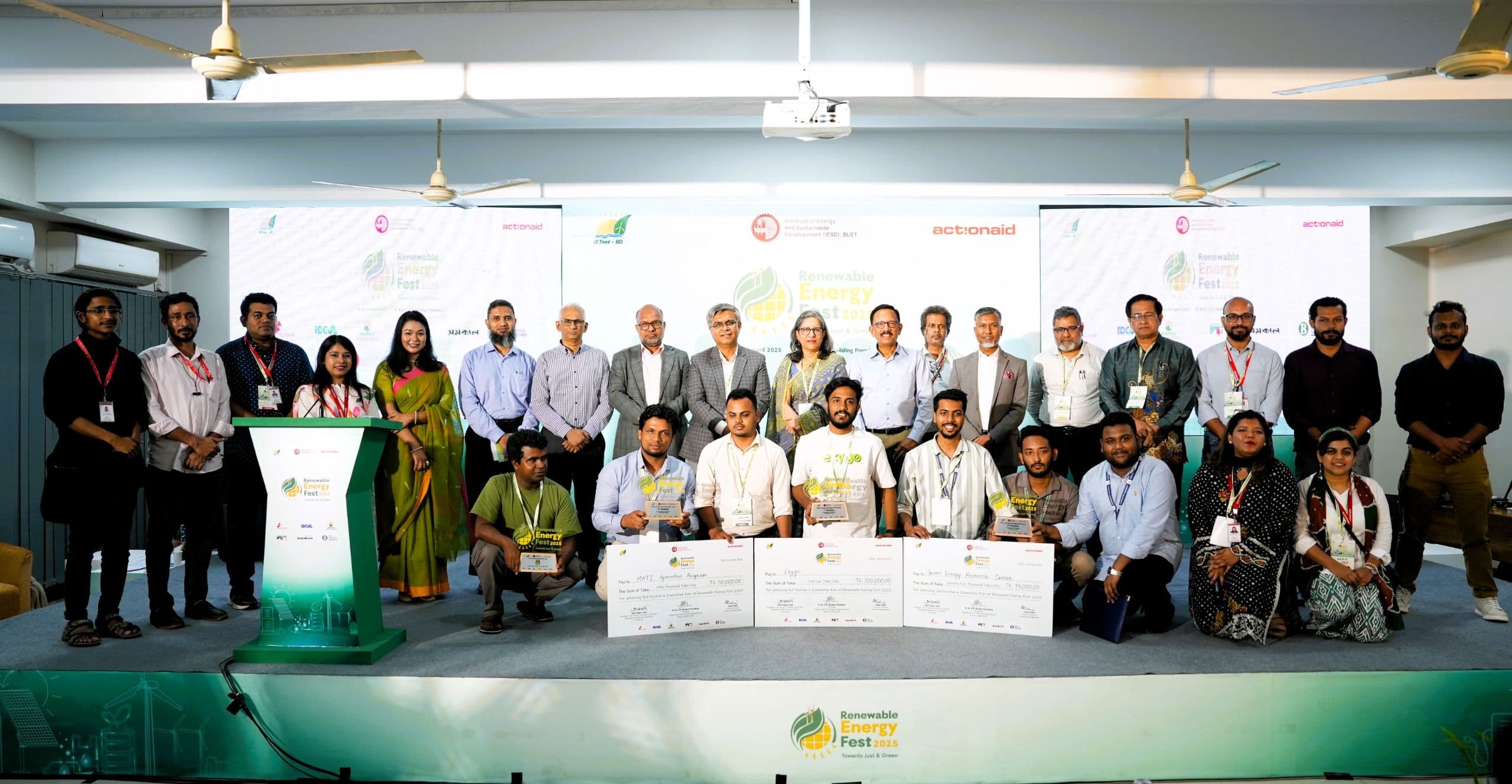
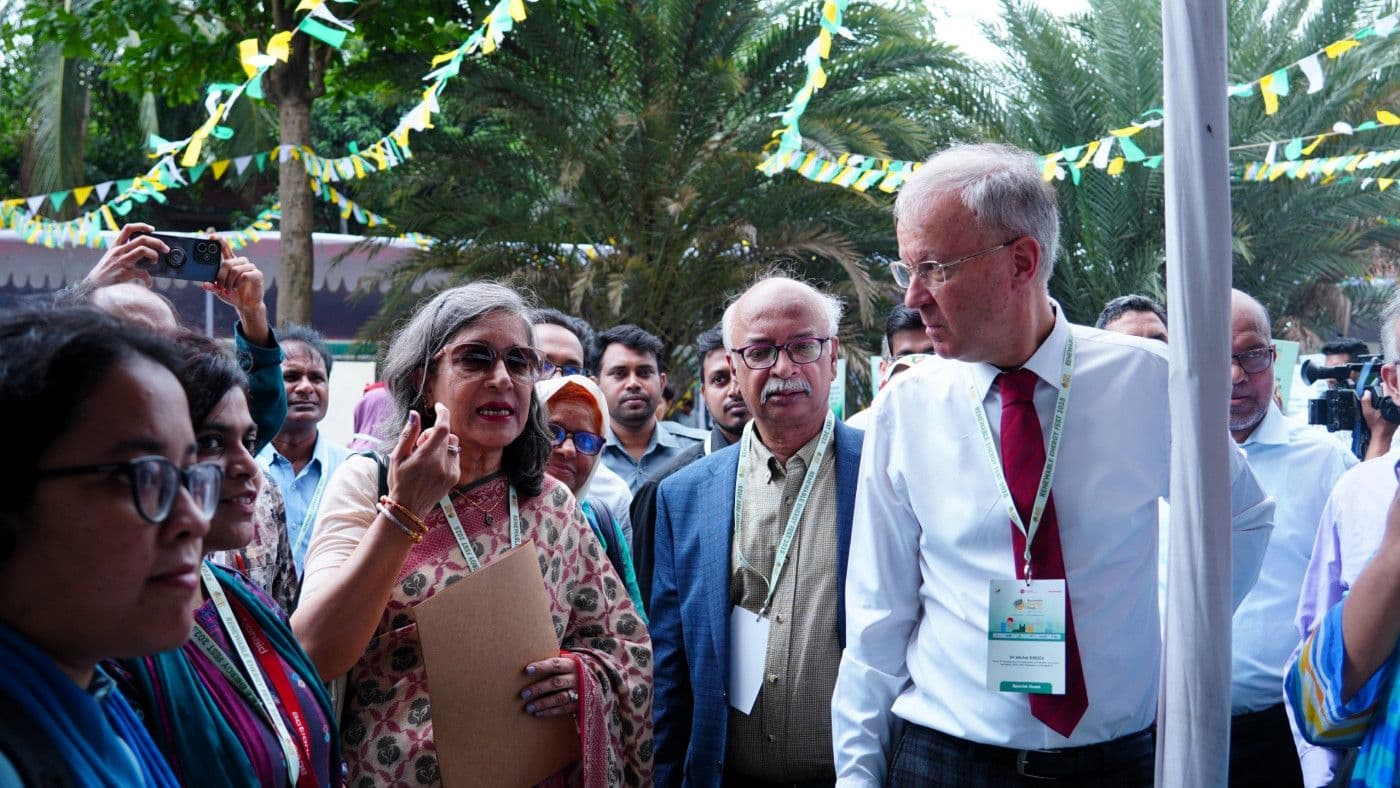
Dhaka–ActionAid Bangladesh; 24 April 2025: Bangladesh’s energy sector currently remains largely dependent on fossil fuels, with renewable energy contributing only 2.94% to the total energy mix. Against this backdrop, building an environmentally sustainable and resilient energy system by harnessing the potential of renewables is both urgent and essential. Bangladesh possesses immense capacity to generate solar and wind energy using its own natural resources. Realising this potential will require a collaborative approach, robust policies, and active youth engagement. Energy and environment experts called for this action during the Renewable Energy Fest 2025, jointly organised by ActionAid Bangladesh, BUET, and the Just Energy Transition Network Bangladesh (JETnet-BD). The closing ceremony was moderated by Farah Kabir, Country Director of ActionAid Bangladesh, with Mohammad Wahid Hossain, Chairman (Senior Secretary) of BIPRC, attending as Chief Guest. Special guests included Dr Abdul Hasib Chowdhury, Pro-Vice Chancellor of BUET; Taif Hossain, Programme Manager for Transport and Energy at the EU Delegation to Bangladesh; and Ibrahim Khalil Al-Zayad, Chairperson of AAIBS. The welcome address was delivered by Professor Dr M. A. A. Shoukat Choudhury from BUET’s Department of Chemical Engineering. The Chief Guest, Mohammad Wahid Hossain, NDC, emphasised the need for collective action in the transition to sustainable energy. He stated, “We must turn to renewable energy out of our own need—not due to external pressure. Over the past 15 years, our focus has remained confined to mega projects, with no significant progress in renewable energy development. Historically, we bear minimal responsibility for global warming, yet we must now move forward with a planned shift towards sustainable renewable energy.” Taif Hossain of the EU Delegation noted, “To make our energy sector more efficient, green energy must be prioritised. The EU has allocated €1.3 billion for Bangladesh in the energy sector. However, due to a lack of sustainable infrastructure in the energy sector, this allocation has not been fully realised. A consistent and well-structured energy policy framework is essential to unlock this potential.” Dr Abdul Hasib Chowdhury, Pro-VC of BUET, pointed out that “our energy policies are not inclusive. It is time to draw a comprehensive master plan for sustainable energy transformation, adopting a bottom-up approach that incorporates the needs of marginalised communities.” Farah Kabir, Country Director of ActionAid Bangladesh, stated, “We must consider renewable energy not as an alternative, but as an absolute necessity.” Ibrahim Khalil Al-Zayad, Chair of AAIBS added, “We must focus on women-friendly and locally-driven renewable energy solutions. The enthusiastic participation of youth in this festival signals a hopeful shift towards a sustainable energy future. However, unless renewable energy is effectively commercialised, it will remain at 3% of our energy ecosystem—we will not move forward.” A special segment titled "Power-Pitch" was also held to connect local innovators in renewable energy with potential investors, providing a platform for pitching their ideas. Today, Thursday (24 April), 'Renewable Energy Fest 2025' concluded with a strong call to build a greener future through the exhibition of innovative technologies, policy discussions, and vibrant youth engagement. The two-day colourful event took place on BUET’s Dhaka campus from 23–24 April, marking the country’s first-ever national festival dedicated to renewable energy. On the second and final day, the Innovation and Technology Fair featured cutting-edge renewable energy technologies and concepts presented by local innovators. Established renewable energy products and services from the corporate sector were also on display. One of the highlights of the festival, the ‘Youth Hub,’ allowed young people to present their ideas through dialogues, workshops, and quizzes. Additionally, three parallel policy dialogue sessions were held on renewable energy. In the session on “Infrastructure, Innovation, and Technology in Renewable Energy,” Shahriar Ahmed Chowdhury, Director of the Centre for Energy Research at UIU, presented the keynote paper, joined by experts including Tanuja Bhattacharjee from the World Bank. Another session on “Renewable Energy Financing and Investment” featured Shafiqul Alam, Lead Analyst at the Institute for Energy Economics and Financial Analysis (IEEFA), along with representatives from City Bank PLC and IDCOL. The third session, titled “Youth for Energy and Climate Justice,” brought together young climate activists including Fariha Sultana Aumi, Chair of Brighters Society of Bangladesh, and Sohanur Rahman, Executive Coordinator of YouthNet for Climate Justice, to share their perspectives. Each session explored the challenges and opportunities in expanding renewable energy in Bangladesh. Finally, awards were presented to honour special contributions in the renewable energy sector. The 'Renewable Energy Winner Award' was given to the Centre for Natural Agriculture and Pran Boichitra Farm for their remarkable impact on sustainable energy. Ezygo Start-up secured first place in the ‘Future Energy Technology Award’ category, followed by IUB’s Green Energy Research Centre in second place and Mati Agrovoltaic Programme in third. Other notable attendees included Shahriar Ahmed Chowdhury, Director of UIU’s Centre for Energy Research; A S M Marjan Nur, Climate and Environment Adviser at the British High Commission in Dhaka; Professor Dr Ijaz Hossain, former Dean of BUET’s Department of Chemical Engineering; Mohammad Jahangir Alam from City Bank PLC; and Mostafa Al Mahmud, President of BSREA. Over a hundred representatives from civil society organisations (CSOs), national and international development agencies, local energy and environment experts, and members of the media were also present. For further information: Shabbir Rahman, Communications Manager, ActionAid Bangladesh Mobile: +8801681-523496 | Email: Abul Kalam Azad, Manager, Just Energy Transition (JET), ActionAid Bangladesh Mobile: +8801711-220146 | Email:
Read More