POWER
Introduction
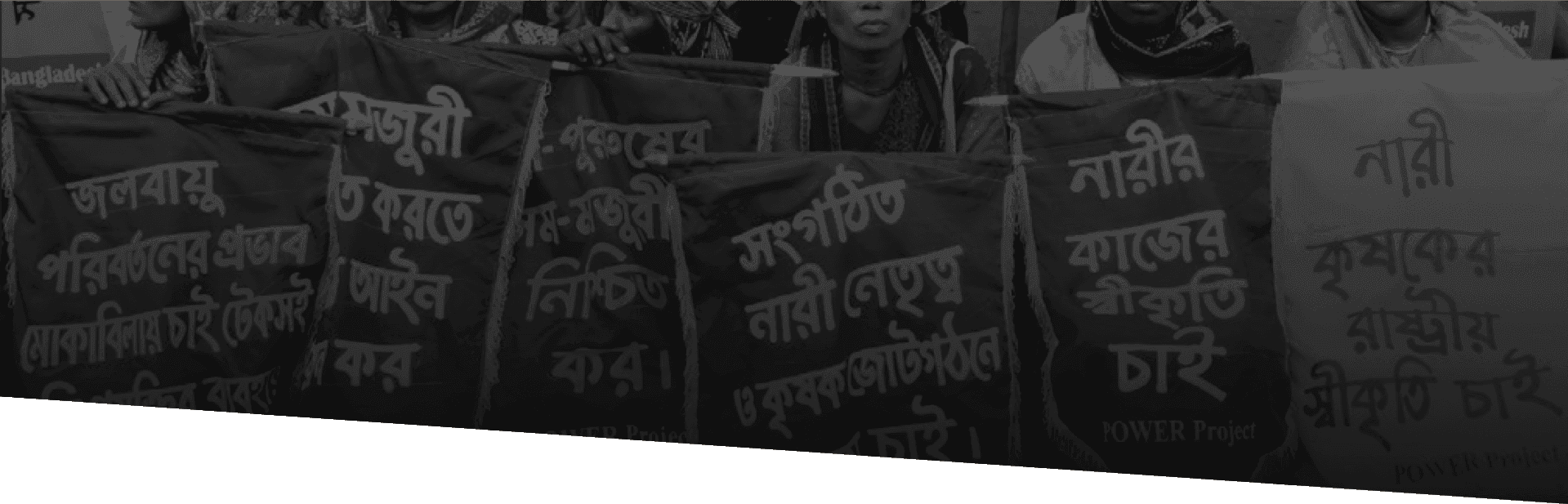
POWER (Promoting Opportunities for Women’s Empowerment and Rights) project is a multi-country project implementing in Ghana, Rwanda, Bangladesh and Pakistan with the long term objective to increase economic empowerment of women. This project also works with families to help reduce women’s burden of unpaid care work, so they can contribute towards income generating ventures. ActionAid Bangladesh has been working with the Ministry of Foreign Affairs of the Netherlands and SKS foundation to make this project a success since 2016.
Four areas of this project include:
- Unpaid care work for women;
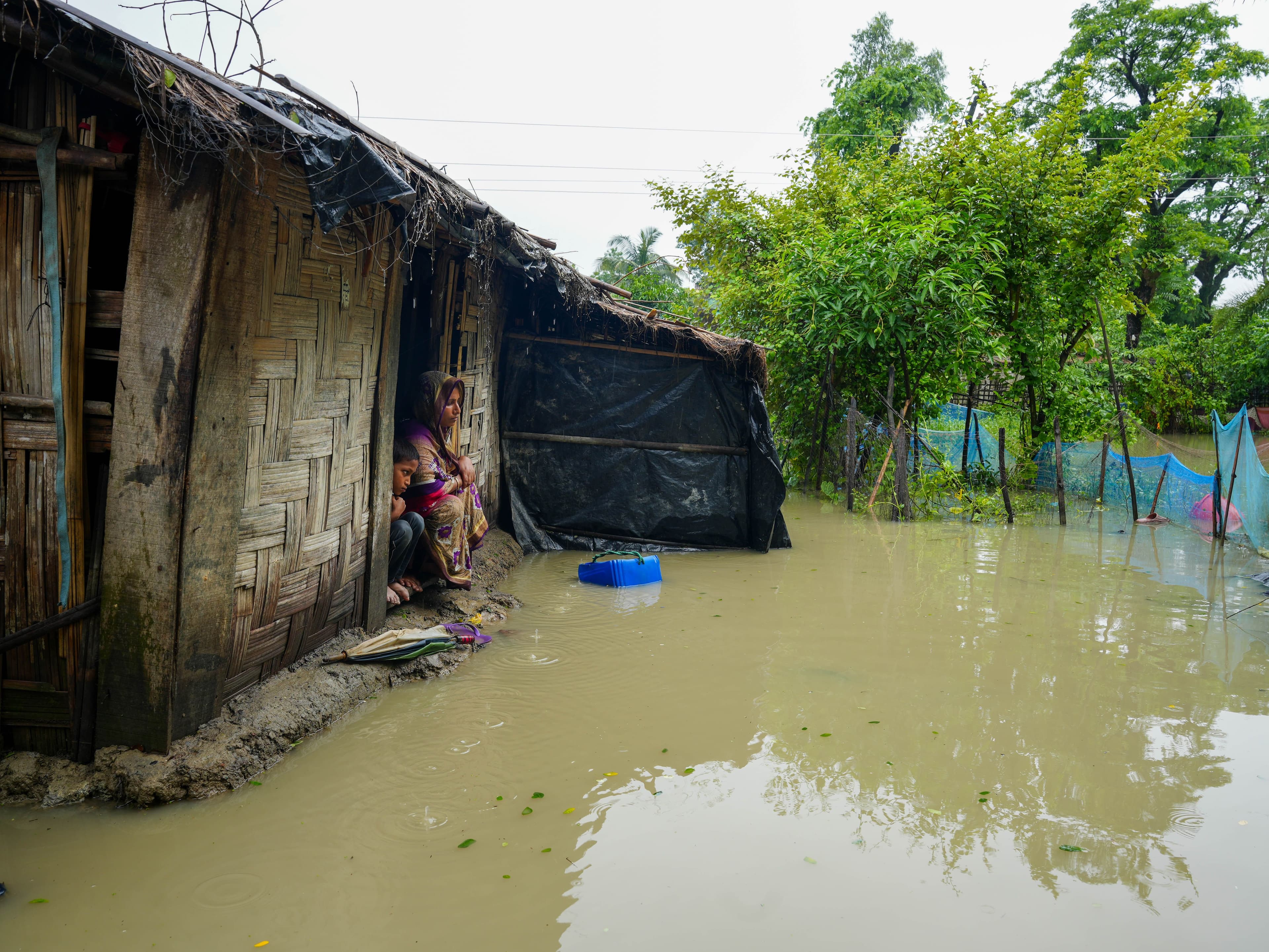
- Climate resilient sustainable agriculture;
- Market access for women;
- Violence against women
Background
The prevailing gender norms and power relations in Bangladesh justify women’s heavy workload and limited control over productive resources must be challenged if the economic participation of women is to be improved. In 2016, ActionAid Bangladesh has done a research on “Time Use of Women and Men (Unpaid Care Work)”. It shows that women spend 6.3 hours and men spend 1.1 hours in household work daily. According to another research, women spend on average around 8 hours in unpaid care work which was more than men who spent approximately an hour and a half on it. The bottomline being that women in Bangladesh are spending almost five times more in unpaid care work than men.
In Bangladesh other key contributors to the persistence of gender inequality are women’s limited knowledge and mobilisation around their rights, limited partocipation of women in decision making spaces, and violence against women. In addition, access to markets is a major barrier for rural women. They receive unfair treatment from buyers, often lack knowledge regarding the current market situation, as well as finance and other productive resources. Many women consequently utilise ‘middle-men’ to market their products which reduces profits and maintains gender imbalance. Therefore, by recognising and addressing these issues and increasing household and community influence are crucial to women’s economic empowerment.